Our Melbourne office will be closed on Tuesday 3rd November for the Melbourne Cup public holiday. All other offices remain open

Air sampling is used to measure airborne contaminants such as dust, vapours, gases and aerosols in workplace environments. It is a critical method for assessing worker exposure to hazardous substances and ensuring air quality remains within safe and compliant limits.
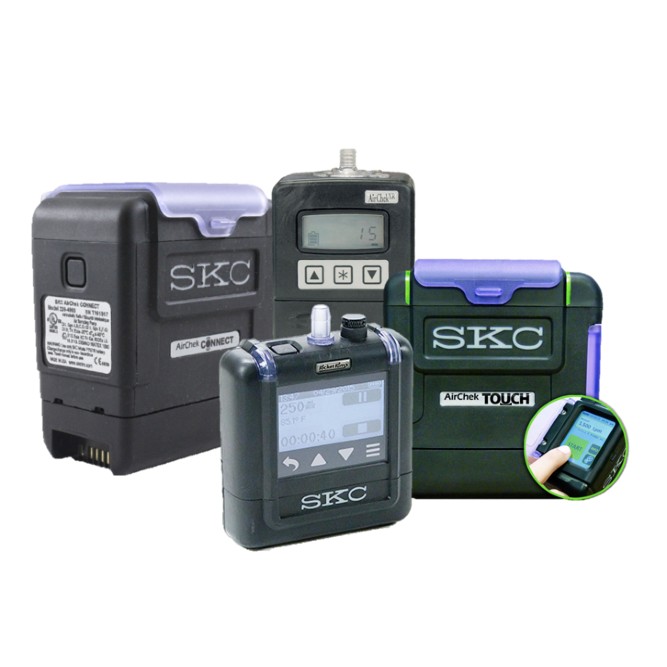
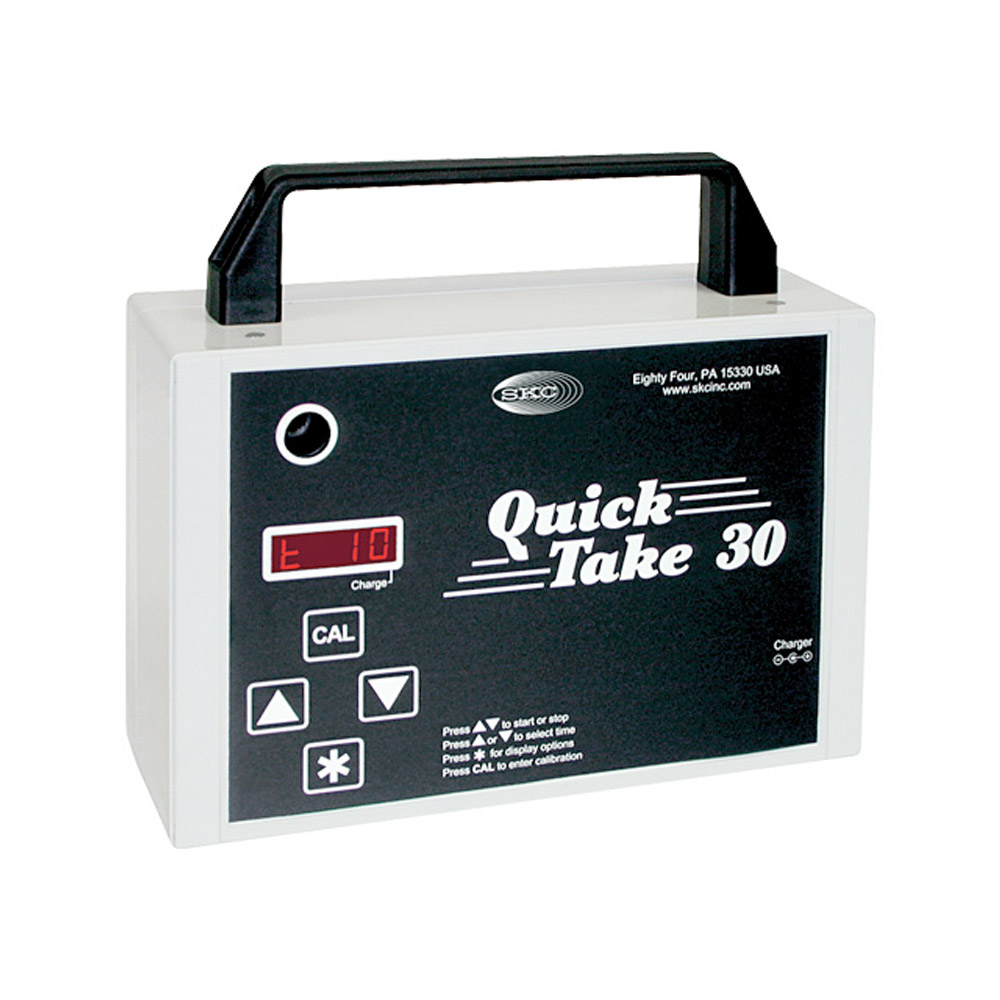
At AES, we supply a wide range of air sampling pumps, personal sampling equipment and real-time air monitoring solutions to support occupational hygiene, industrial safety and environmental monitoring applications across Australia.
Air sampling helps organisations understand what workers are exposed to, verify control measures and ensure compliance with workplace exposure standards.
Air sampling is essential for identifying and quantifying airborne hazards that cannot be seen or detected without specialised equipment.
Common contaminants monitored include:
Exposure to these hazards can lead to serious health risks, including respiratory illness, long-term disease and occupational exposure-related conditions.
Air sampling enables organisations to accurately assess worker exposure to airborne hazards, validate the effectiveness of control measures, and support compliance with workplace exposure standards (WES). It also helps ensure alignment with regulatory requirements set by SafeWork Australia, providing reliable data to inform risk management and protect worker health.
Regular air monitoring provides defensible data that supports informed decision-making and helps protect worker health.
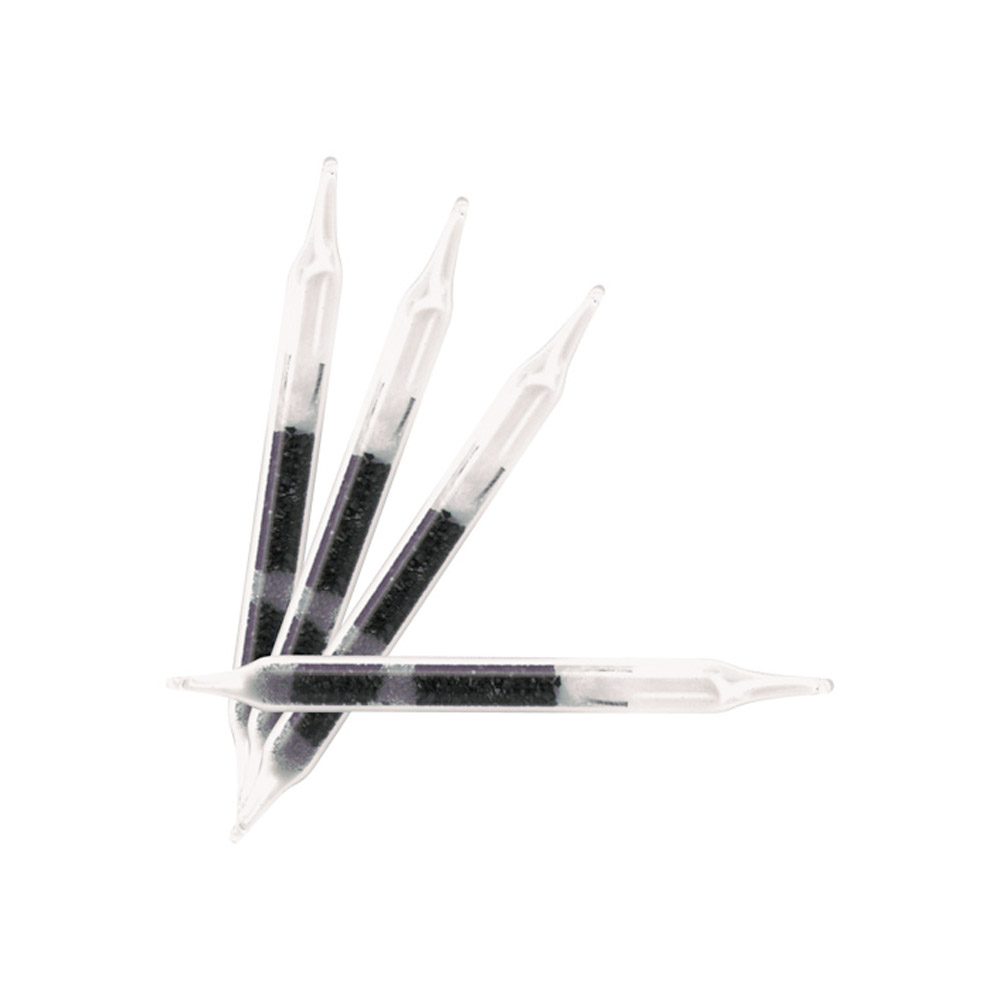
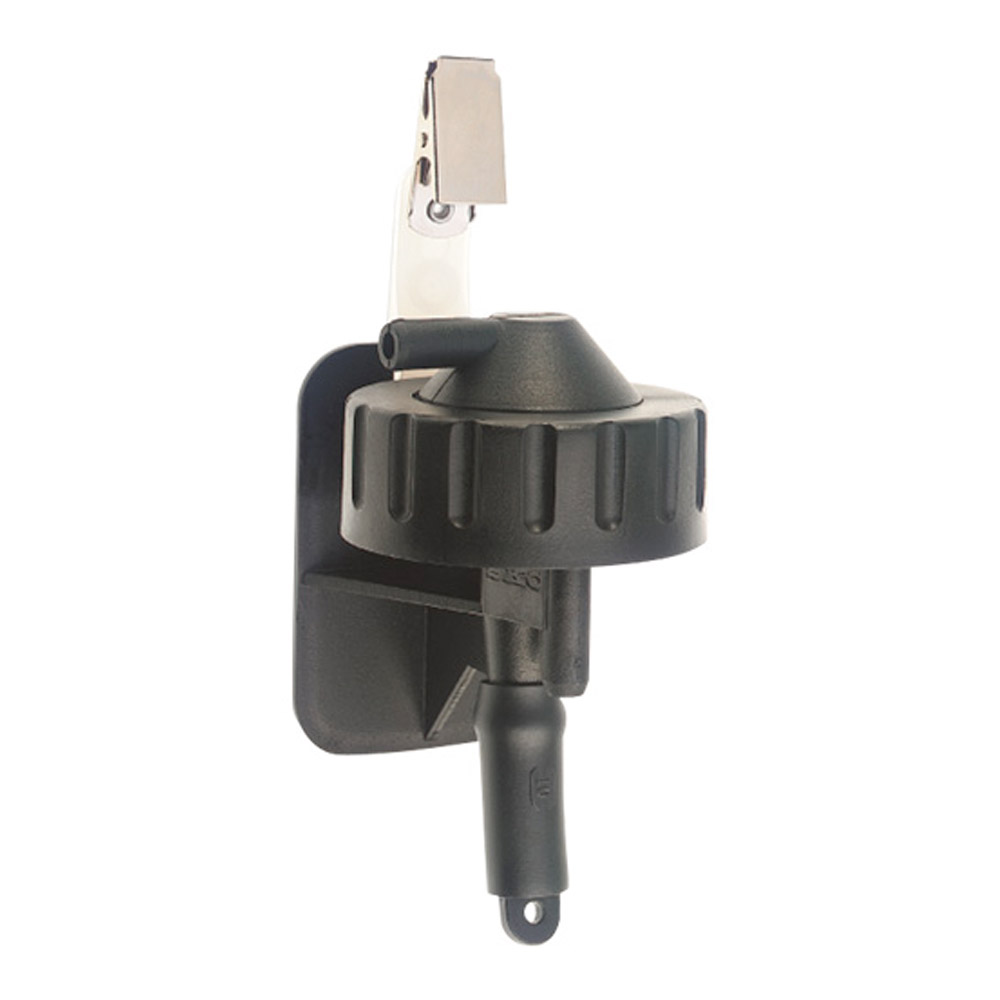
Air sampling is typically carried out using personal sampling pumps, area sampling systems and filter-based sampling methods.
AES provides:
These methods allow occupational hygienists and safety professionals to collect accurate data on airborne contaminants and analyse exposure levels over time.
Traditional air sampling provides highly accurate, lab-validated results, but data is often retrospective.
Real-time monitoring solutions can be used alongside air sampling to provide immediate visibility of exposure levels, identify high-risk tasks or areas and validate the effectiveness of control measures in real time.
Using both approaches together supports a more complete understanding of workplace exposure risks.
 Ask Quick Question